


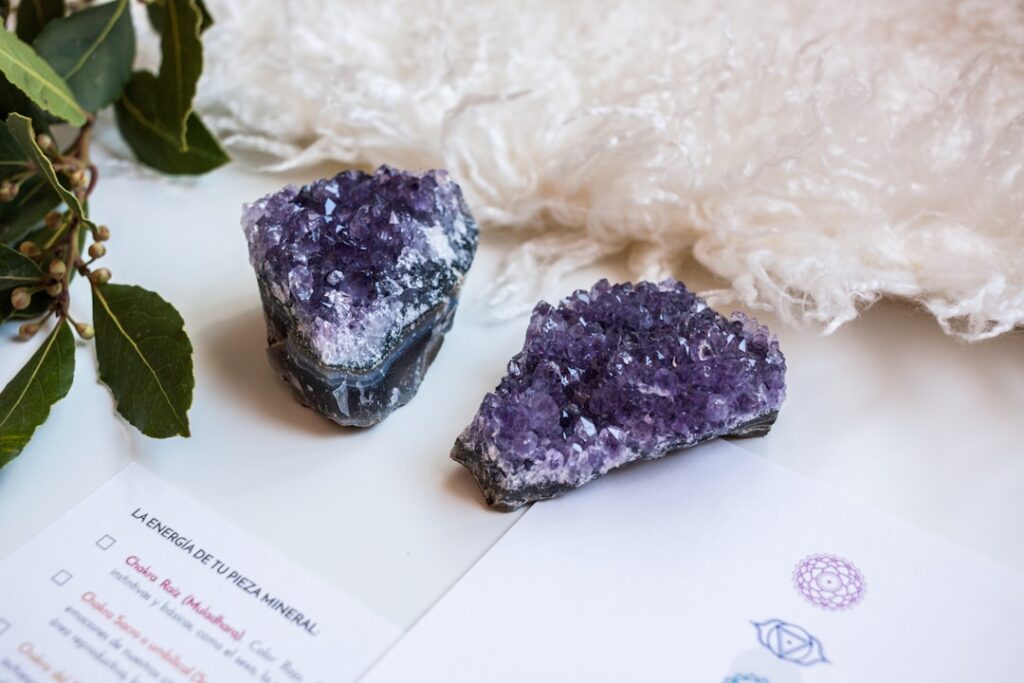
Crystals have been part of human culture for thousands of years, from ancient Egyptian amulets to traditional Chinese jade carvings. Today, crystal healing has experienced a resurgence as part of the broader wellness movement, with millions of people worldwide incorporating stones into their self-care routines. This crystal healing guide provides a grounded, informational overview of the most popular crystals, their traditionally attributed properties, and practical methods for working with them.
It is important to state clearly from the outset: crystal healing is not a scientifically validated medical treatment. The properties described in this guide reflect cultural traditions, historical usage, and the subjective experiences of practitioners, not clinical evidence. We present this information as cultural and wellness content, not as medical advice.
This article is for informational purposes only and does not replace professional medical advice.
A Brief History of Crystals in Human Culture
The use of crystals and gemstones in healing and spiritual practices spans virtually every major civilization. Ancient Sumerians incorporated crystals into ritual formulas. Egyptian pharaohs were buried with lapis lazuli and turquoise, believed to offer protection in the afterlife. Traditional Chinese medicine has long used jade for its purported cooling and harmonizing properties. In Ayurvedic traditions from India, gemstones are associated with planetary influences and prescribed as part of holistic wellness approaches.
The modern crystal healing movement draws from these diverse traditions while adding contemporary interpretations related to energy fields, chakra systems, and vibrational frequencies. While these frameworks lack scientific validation, they provide a structured approach that many people find personally meaningful.
Understanding Crystal Properties: A Framework
In crystal healing traditions, stones are typically categorized by several attributes: color (often linked to chakra associations), mineral composition, crystal structure, and hardness. Practitioners traditionally believe that each stone carries specific energetic qualities that may complement different aspects of physical, emotional, and spiritual well-being.
The Role of Color
Color is one of the primary ways crystals are categorized in healing traditions. Red and orange stones are traditionally associated with grounding and vitality. Green and pink stones are linked to heart-centered qualities like compassion and emotional balance. Blue and purple stones are connected to communication, intuition, and spiritual awareness. While these associations are not scientifically established, color psychology research does suggest that colors may influence mood and perception, which could partially explain the subjective experiences reported by crystal users.
Hardness and Durability
From a practical standpoint, the Mohs hardness scale (1-10) determines how you can safely handle and cleanse your crystals. Softer stones like selenite (2) dissolve in water, while harder stones like quartz (7) and diamond (10) are much more resilient. Understanding hardness prevents damage to your collection and informs appropriate care methods.
15 Popular Crystals and Their Traditionally Attributed Properties
The following table provides a reference for some of the most commonly used crystals in healing practices. Remember that these properties reflect traditional beliefs, not scientifically proven effects.
| Crystal | Color | Traditionally Associated Properties | Chakra Association | Mohs Hardness |
|---|---|---|---|---|
| Clear Quartz | Transparent/White | Amplification, clarity, energy cleansing | Crown | 7 |
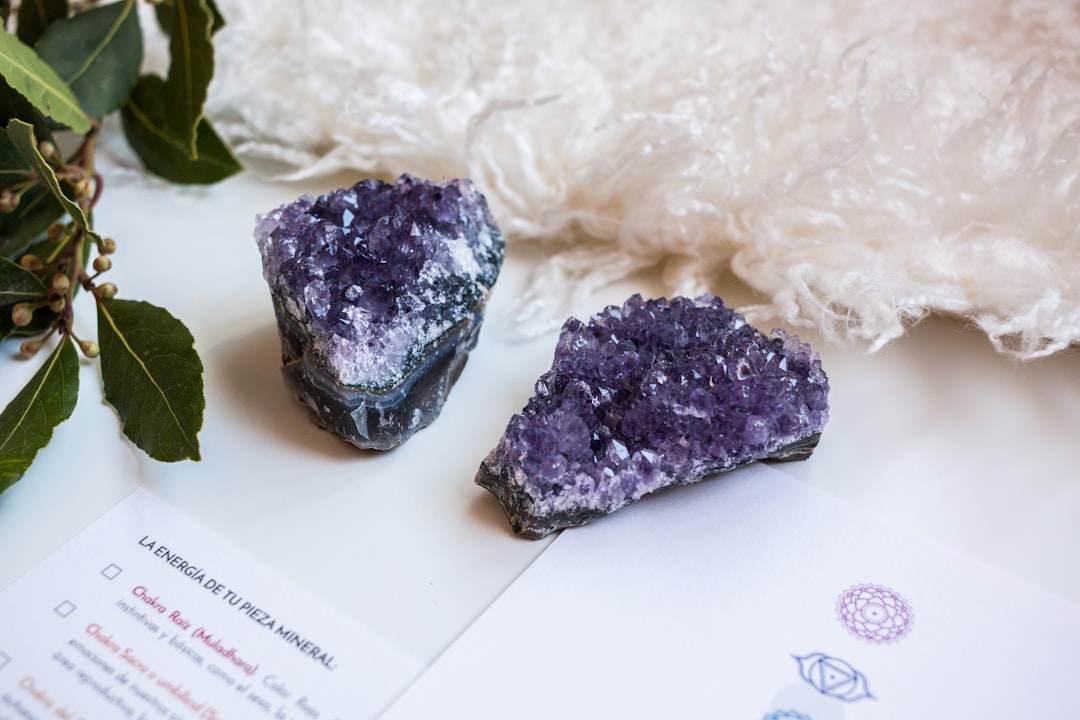
| Amethyst | Purple | Calm, intuition, spiritual awareness | Third Eye/Crown | 7 |
| Rose Quartz | Pink | Love, compassion, emotional healing | Heart | 7 |
| Black Tourmaline | Black | Protection, grounding, energy shielding | Root | 7-7.5 |
| Citrine | Yellow/Golden | Abundance, confidence, personal power | Solar Plexus | 7 |
| Selenite | White/Translucent | Cleansing, peace, higher consciousness | Crown | 2 |
| Lapis Lazuli | Deep Blue | Truth, wisdom, self-expression | Throat/Third Eye | 5-6 |
| Tiger's Eye | Golden Brown | Courage, willpower, mental clarity | Solar Plexus | 6.5-7 |
| Carnelian | Orange/Red | Vitality, creativity, motivation | Sacral | 6.5-7 |
| Labradorite | Gray with iridescence | Transformation, intuition, protection | Third Eye | 6-6.5 |
| Moonstone | White/Peach | Feminine energy, intuition, new beginnings | Crown/Third Eye | 6-6.5 |
| Obsidian | Black | Grounding, truth, emotional release | Root | 5-5.5 |
| Fluorite | Green/Purple/Multi | Focus, mental clarity, organization | Heart/Third Eye | 4 |
| Jade | Green | Harmony, prosperity, longevity | Heart | 6-7 |
| Turquoise | Blue-Green | Communication, protection, healing | Throat | 5-6 |
How to Cleanse and Charge Your Crystals
In crystal healing traditions, cleansing is considered an essential practice for maintaining a stone's energetic properties. Whether you view this as resetting subtle energy or simply as a mindful ritual that deepens your connection to your practice, here are the most common methods:
Running Water
Hold water-safe crystals (hardness 6 or above) under cool running water for 1-2 minutes. Natural sources like streams are traditionally preferred, but tap water is commonly used. Avoid this method for selenite, halite, malachite (which may release copper compounds), and other soft or water-soluble stones.
Moonlight
Place crystals on a windowsill or outdoors during a full moon overnight. This method is safe for all crystal types and is one of the most widely recommended approaches in crystal healing literature. Many practitioners find the ritual of setting out crystals under moonlight to be a calming, intentional practice in itself.
Smudging
Pass crystals through the smoke of sage, palo santo, or incense. This method draws from Indigenous smoke-cleansing traditions and is safe for all crystal types. Be mindful of cultural origins and practice respectfully. Ensure adequate ventilation when burning any material indoors.
Selenite Charging Plates
Selenite is traditionally believed to cleanse other crystals. Placing stones on a selenite plate or in a selenite bowl overnight is a popular and convenient method. Since selenite itself is quite soft, handle it gently and keep it away from moisture.
Sound Cleansing
Using singing bowls, tuning forks, or bells to produce sound vibrations around crystals is another traditional method. This approach is safe for all crystal types and can be a pleasant sensory experience as part of a broader wellness routine.
Crystal Placement and Usage Methods
There are several traditional approaches to incorporating crystals into daily life and wellness practices:
Meditation with Crystals
Holding a crystal during meditation or placing one nearby is one of the simplest ways to begin working with stones. Choose a crystal that aligns with your intention for the session. For instance, practitioners traditionally use amethyst for calming meditations and citrine for confidence-building visualizations. The physical presence of the stone may serve as a tactile anchor, similar to how prayer beads function across religious traditions.
Body Placement
In more structured crystal healing sessions, stones are placed on or near specific areas of the body, often corresponding to the chakra system. A typical layout might include a red stone near the base of the spine, an orange stone below the navel, a yellow stone at the solar plexus, a green or pink stone on the chest, a blue stone at the throat, an indigo stone on the forehead, and a clear or purple stone above the crown of the head. This practice is traditionally believed to help balance energy flow.
Carrying and Wearing Crystals
Many people carry small tumbled stones in pockets or wear crystal jewelry as a form of ongoing connection to their chosen stone's properties. From a psychological perspective, this may function as a tangible reminder of personal intentions and goals, similar to how any meaningful object can serve as an anchor for positive behavior.
Home and Space Placement
Placing crystals in living or working spaces is a practice that overlaps with feng shui principles. Common placements include rose quartz in the bedroom (traditionally associated with love and harmony), black tourmaline near entryways (associated with protection), and citrine in workspaces (associated with abundance and creativity). Even without energetic beliefs, many people simply enjoy the aesthetic beauty of minerals as decorative elements.
Buying Crystals: A Practical Guide
The crystal market has grown substantially, and not all sellers offer quality or ethically sourced products. Here are practical guidelines for purchasing crystals:
Identifying Authentic Stones
Some common issues in the crystal market include dyed stones (agate and howlite are frequently dyed to mimic more expensive stones), heat-treated stones sold as natural (much citrine on the market is actually heat-treated amethyst), and synthetic or glass pieces marketed as genuine crystals. Educate yourself on what natural specimens look like, and be wary of prices that seem too low for the claimed material.
Ethical Sourcing Considerations
Crystal mining can have environmental and social impacts. Look for sellers who provide information about where their stones are sourced and under what conditions. Some crystals, particularly those from conflict-affected regions, may raise ethical concerns similar to those in the broader mining industry. Reputable sellers increasingly offer transparency about their supply chains.
Starting Your Collection
For beginners, a starter collection of five versatile stones is often recommended: clear quartz (traditionally considered a universal amplifier), amethyst (associated with calm and spiritual connection), rose quartz (linked to emotional well-being), black tourmaline (associated with grounding and protection), and citrine (connected to positivity and motivation). These can typically be purchased as tumbled stones at reasonable prices from reputable mineral shops or wellness retailers reviewed by publications like Yoga Journal.
The Science Question: What Research Actually Says
Intellectual honesty requires addressing the scientific perspective on crystal healing. The most cited study on the subject was conducted by Christopher French and colleagues at Goldsmiths, University of London. Presented at the British Psychological Society Centenary Annual Conference, the study found no difference in reported sensations between participants holding real crystals and those holding fake ones, suggesting that the placebo effect plays a significant role in crystal healing experiences (research accessible via PubMed/NCBI).
However, dismissing crystal healing entirely may miss a more nuanced picture. The placebo effect itself is a documented phenomenon with real physiological correlates. Rituals and intentional practices, regardless of their mechanism, may promote relaxation, reduce stress, and enhance subjective well-being. Many people who use crystals do so as one component of a broader wellness approach that includes meditation, mindful movement, and intentional living.
The key is to use crystals as a complement to, never a replacement for, evidence-based medical care. If you are experiencing health issues, consult a qualified healthcare professional. Crystals may enrich your wellness routine, but they are not medicine.
If crystal properties interest you, exploring the foundational principles of lithotherapy can provide additional context from the French wellness tradition. Additionally, understanding how crystals relate to the seven chakra energy centers may offer a structured framework for choosing and placing your stones.
Getting Started: Your First Week with Crystals
If you are curious about exploring crystal healing, here is a simple, pressure-free approach for your first week:
- Choose one stone that appeals to you visually or intuitively. Clear quartz or amethyst are excellent starting points.
- Learn about it. Read about its traditional associations, geological properties, and cultural history.
- Cleanse it using one of the methods described above. This can serve as a mindful ritual regardless of your beliefs about energy.
- Spend quiet time with it. Hold it during a brief meditation or simply sit with it for a few minutes each day, noticing any thoughts or sensations that arise.
- Place it intentionally. Choose a spot in your home where you will see it regularly as a reminder of whatever intention you have set.
- Reflect at the end of the week. Journal about your experience without judgment. Did the practice add anything meaningful to your routine?
Crystal healing is ultimately a personal practice. There is no right or wrong way to engage with it, and the most important thing is that it brings value to your life without replacing professional medical guidance when needed.
Frequently Asked Questions
Is there scientific evidence that crystal healing works?
Currently, there is no peer-reviewed scientific evidence that crystals emit energy fields or have direct healing properties. A well-known study by Christopher French at Goldsmiths, University of London, suggested that the perceived benefits of crystals may be largely attributable to the placebo effect and the power of suggestion. However, many people report subjective benefits from crystal practices as part of a broader wellness routine.
How do I cleanse my crystals?
Common cleansing methods in crystal healing traditions include running water (for water-safe stones), moonlight exposure (placing crystals under a full moon overnight), smudging with sage or palo santo smoke, burying in earth for 24 hours, and placing on a selenite charging plate. Not all methods are suitable for all crystals; for example, selenite and halite dissolve in water.
Can I use multiple crystals at once?
Yes, many crystal healing practitioners combine multiple stones in what are sometimes called crystal grids or layouts. Traditionally, complementary stones are selected based on the intentions of the user. For beginners, starting with one or two stones and becoming familiar with them before expanding a collection is generally recommended.
Where should I buy crystals?
Reputable sources include established metaphysical shops, gem and mineral shows, and verified online sellers with transparent sourcing information. Be cautious of dyed or heat-treated stones sold as natural, unusually low prices for rare specimens, and sellers who make medical claims. Ethically sourced crystals are increasingly important to many buyers.
Do crystals need to be recharged?
In crystal healing traditions, regular cleansing and recharging are considered important for maintaining a stone's energetic properties. Common recharging methods include sunlight exposure (brief, as some stones fade), moonlight, placing on a quartz cluster, or sound cleansing with singing bowls. The frequency depends on personal practice; many practitioners cleanse their stones weekly or after intensive use.