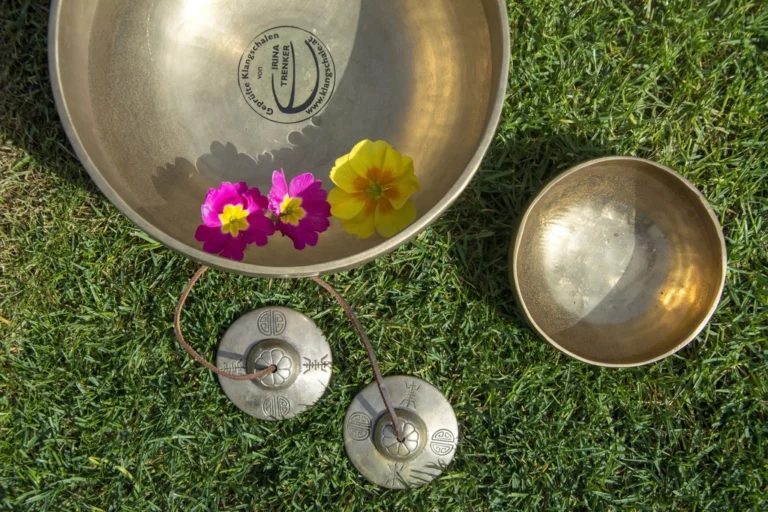

A circle of Tibetan singing bowls of various sizes arranged on a wooden floor with a single candle in the centre, soft warm light filling a quiet meditation room with linen cushions visible at the edges of the frame.

Sound Baths and the Research: What the Evidence Actually Shows

Sound bath sessions, in which participants lie still while a practitioner plays a sequence of singing bowls, gongs, chimes and other resonant instruments, have moved from a small wellness niche into a substantial commercial sector over the past decade. Major fitness chains now offer them; airports include them in lounge programmes; corporate wellness budgets pay for in-office sessions. The popularity has run somewhat ahead of the research, but the research is starting to catch up. The honest summary in 2026 is that sound baths produce measurable short-term effects on stress markers and subjective well-being, with effect sizes comparable to other relaxation practices, while the more elaborate claims about specific frequency-based healing remain unsupported.

This piece looks at what the published research actually demonstrates about sound baths, where the science is solid and where popular claims have outrun the evidence, and how participants can evaluate sessions and practitioners with appropriate scepticism without dismissing the practice entirely.

What a sound bath actually is

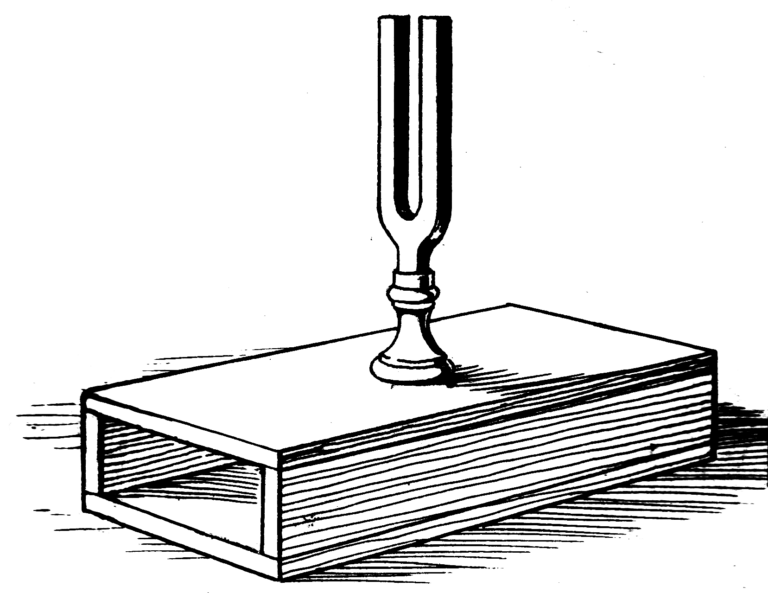
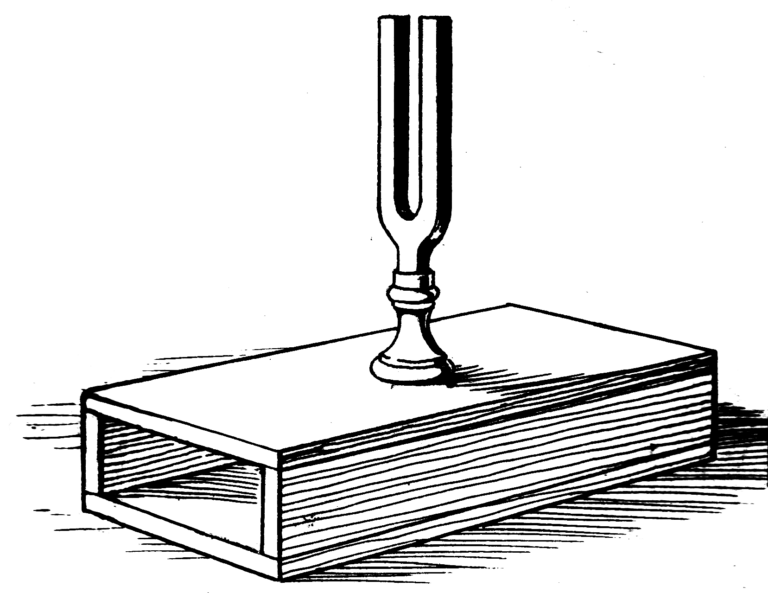
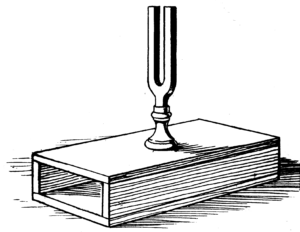
A sound bath is typically a 45 to 90-minute session in which participants lie comfortably (usually with cushions, blankets and an eye mask) while a practitioner plays a sequence of resonant instruments. The instrument set varies by practitioner but commonly includes Tibetan or Himalayan metal singing bowls, crystal quartz singing bowls, large gongs, tuning forks, chimes, koshi bells, and sometimes vocal toning. Sessions usually have a structured arc: a slower opening that establishes settled breathing, a more dynamic middle section, and a quiet closing return.

The practice draws on multiple historical traditions, most notably the Himalayan singing bowl tradition (whose ritual use has historical complexity that contemporary Western practice often simplifies), the Indian classical music’s drone-based concentration tradition, and the more recently developed quartz crystal bowl practice that originated in the 1970s and 1980s in California.

What the research actually supports

The most cited single study on sound baths is the 2016 paper by Goldsby and colleagues in the Journal of Evidence-Based Complementary and Alternative Medicine, which surveyed 62 participants before and after a Tibetan singing bowl meditation session. The study reported significant decreases in self-reported tension, anger, fatigue and depressed mood, and significant increases in feelings of spiritual well-being. The effects were larger in participants with no prior experience of singing bowl meditation.

The 2017 study by Bidin and colleagues in Holistic Nursing Practice measured physiological as well as psychological variables and found significant decreases in salivary cortisol and self-reported stress in nurses participating in weekly sound bath sessions over six weeks. The 2022 systematic review by Liu and colleagues, published in BMC Complementary Medicine and Therapies, identified 16 studies meeting reasonable methodological standards and concluded that sound-based interventions produced consistent moderate effects on stress and anxiety markers.

The honest characterisation of this evidence is that sound baths produce effects in the same general range as comparable relaxation interventions: progressive muscle relaxation, guided imagery, slow breathing exercises. They are useful and supported by reasonable evidence, but not uniquely effective compared to other relaxation modalities.

Where the claims outrun the research

Several popular claims about sound baths require more careful examination than the marketing usually provides.

Specific frequency-based healing

The claim that specific frequencies (often cited as 432 Hz, 528 Hz, the « Solfeggio frequencies » or specific bowl tunings) produce specific physiological or psychological effects is not well-supported in research. The « Solfeggio frequencies » themselves derive from a 1974 book by Joseph Puleo and have no genuine historical connection to medieval music or chant traditions, despite frequent claims to the contrary. The specific claim that 528 Hz « repairs DNA » originated from Leonard Horowitz’s writing in the 1990s and has no scientific basis.

The bowls and instruments used in sound baths produce complex harmonic spectra that vary considerably between instruments and even within a single instrument depending on how it is played. The idea that a participant can reliably receive a specific therapeutic frequency through a mixed-instrument session is more marketing than technical accuracy.

Cellular-level effects

Claims that sound baths produce changes at the cellular level — « vibrating cells back into harmony » or similar — are not supported by physical or biological evidence. Sound waves in the audible range have wavelengths much larger than cellular structures and do not directly interact with cells in the ways some marketing suggests. The genuine effects of sound on the body are mediated through the auditory system and through the broader nervous system response to relaxing acoustic environments.

Binaural beats specifically

Binaural beats — the perceptual phenomenon when slightly different frequencies played to each ear produce a third « beat » frequency in the brain — have been claimed to entrain brainwave states. The evidence here is more mixed than for sound baths generally. Several studies have found small effects on attention or mood, while others have not. The 2019 meta-analysis by Garcia-Argibay and colleagues found inconsistent results across the binaural beats literature, suggesting the effects, where present, are modest.

Why sound baths probably do work

The reason sound baths produce measurable effects, even though specific frequency claims are not supported, is that the practice combines several mechanisms that are well-supported individually:

  • Sustained relaxation positioning: lying still for 45-90 minutes with eyes closed in a comfortable supported position itself produces parasympathetic activation.
  • Auditory immersion in continuous gentle sound: continuous low-volume harmonic sound is a known relaxation mediator, similar in mechanism to white noise machines or natural sounds.
  • Reduced sensory input from other channels: eye masks and dimmed lighting reduce visual processing demands.
  • Ritual and intention-setting structure: the formal beginning and ending of the session frames the experience cognitively in ways that support relaxation.
  • Group co-regulation: when sessions include multiple participants, mutual physiological co-regulation (visible in synchronisation of breathing patterns, heart rates) appears to produce additional effects beyond the same practice done alone.

The combination of these elements produces effects that are real, measurable, and meaningful — but that are produced by the gestalt of the session rather than by the specific tones of the bowls. A session conducted with subtly different instruments (Indian harmonium, Indonesian gamelan, Western Tibetan-style bowls) would likely produce similar effects through similar mechanisms.

A person lying on their back on a yoga mat with closed eyes, a folded blanket over their legs and a silk eye mask, in a candlelit meditation room with the soft shapes of singing bowls visible around them.
Most sound bath benefits appear to come from the gestalt of the session — sustained relaxation, sensory simplification, group co-regulation — rather than from specific frequencies.

Evaluating practitioners and sessions

The sound bath sector includes a wide range of practitioners, from highly trained musicians and meditation teachers to those with very brief weekend training programmes. Several factors help distinguish more substantive practitioners from less rigorous ones.

Training depth

Practitioners with substantial training typically have backgrounds in either traditional contemplative practice (Buddhist meditation lineages, yoga teaching certifications, music therapy credentials) or in academic music or therapeutic acoustics. Be wary of practitioners whose only training is a brief sound bath certification programme; the depth of contemplative experience is a more reliable signal than specific sound-bath credentials.

Programmatic structure

Substantive sessions usually have a thoughtful arc: an introduction that grounds participants, an opening that allows nervous systems to settle, a middle section that may be more dynamic or quieter, a return phase that supports re-emergence. Sessions that simply consist of forty-five minutes of disconnected playing without structural intentionality often produce less consistent effects.

Claims made

The clearest signal of practitioner quality is what they claim. Practitioners who promise specific medical outcomes, claim to « diagnose » energetic conditions, or recommend sound baths as substitutes for medical treatment are operating outside both ethical and legal boundaries. Substantive practitioners describe what they offer in modest terms — a structured period of deep rest and contemplation — and recommend medical care for medical concerns.

Practical considerations for participants

For someone considering attending sound baths, several practical points are worth keeping in mind.

The strongest effects are typically produced by the first several sessions, with the novelty of deep rest in a new format being part of the effect. After ten or twenty sessions, the effect plateaus somewhat for most participants. This is consistent with relaxation practice generally; many practitioners who attend regularly find that the cumulative effect of the practice (rather than any single session) is what supports broader well-being.

People with certain conditions should consult a healthcare practitioner before attending. The conditions where caution is warranted include serious cardiac arrhythmias (where deep relaxation can occasionally trigger episodes), epilepsy with sound-triggered seizures (rare but documented), severe trauma where lying still and immobile may produce dissociative responses, and pregnancy in the first trimester (where a few specific gong and very loud bowl interactions may not be advisable).

Most participants experience nothing more dramatic than a deep rest, sometimes drifting in and out of light sleep, with a refreshed feeling afterward.

Where sound baths fit in a broader practice

Sound baths function best as one element of a broader contemplative or relaxation practice rather than as a standalone intervention. Used periodically — perhaps once or twice a month — they provide a structured deep-rest experience that supports daily practice (meditation, slow breathing, restorative yoga) without replacing it. Used as the only contemplative practice, they are pleasant but probably underutilise their potential, since the most consistent benefits of contemplative practice come from regular short daily sessions rather than occasional longer ones.

Frequently asked questions

Are quartz crystal bowls better than metal bowls?

Different in tonal character, not better. Quartz bowls produce more sustained pure tones; metal bowls produce more complex overtone-rich spectra. Neither produces measurably better physiological effects in research.

Can I do a sound bath at home with recordings?

Recorded sound baths produce some of the same effects, particularly with good speakers and a dark quiet room, though the live group experience adds elements that recordings cannot replicate.

How often should I attend?

For most participants, monthly to bimonthly sessions are sufficient to experience the practice’s benefits without diminishing returns. Daily attendance is unnecessary and probably unproductive.

The instruments in detail: what produces what kind of sound

Understanding the instruments commonly used in sound baths helps participants make sense of what they are hearing. Tibetan or Himalayan singing bowls, despite the name, are mostly produced today in Nepal and India rather than Tibet itself, with traditional bronze alloys (typically including tin, copper, zinc and small amounts of iron and silver) producing complex harmonic spectra. The bowls are played either by striking with a padded mallet (producing a sustained ringing tone) or by running a wooden mallet around the rim (producing a continuous singing tone with rich overtones). Quality varies enormously; the best Himalayan-style bowls have multiple distinct overtones that are stable and resonant for extended periods, while lower-quality production bowls produce a single dominant tone that decays more rapidly.

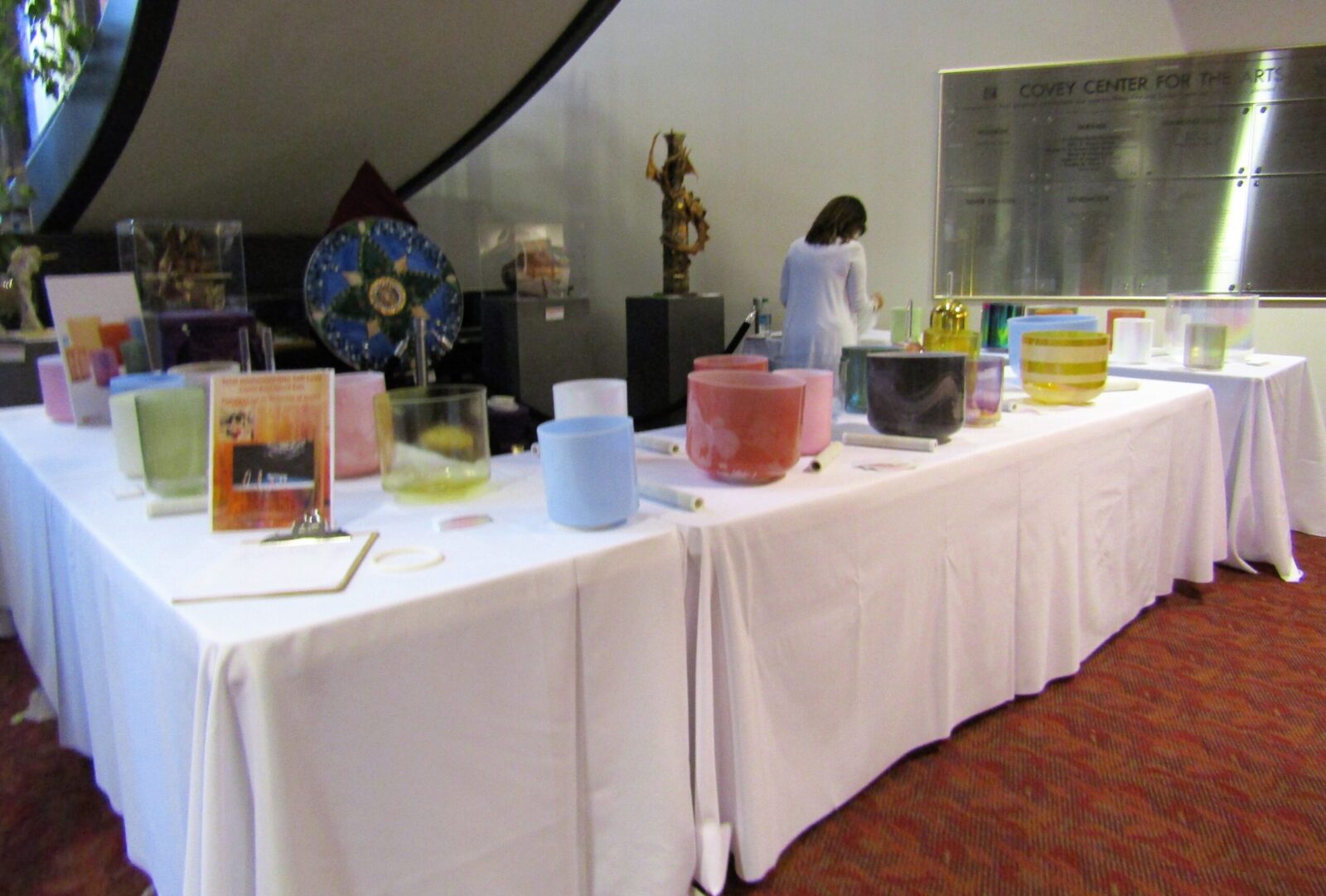
Quartz crystal singing bowls, in contrast, are a modern American invention dating from the 1970s, originally produced as industrial fixtures for semiconductor manufacturing. The bowls produce purer single-frequency tones than metal bowls because the quartz material has fewer modes of vibration. Some practitioners prefer the clarity; others find the lack of harmonic complexity less interesting than metal bowls. The bowls are typically tuned to specific notes (often associated with chakra correspondences in marketing materials, though the tuning is a manufacturing choice rather than an inherent property of the material).

Gongs vary substantially in size and construction. The largest concert gongs (the Paiste 38-inch and 40-inch gongs are widely used) produce extremely complex evolving sound across multiple minutes per strike, with the perceived tone shifting as different harmonic modes emerge and decay. The traditional Chinese chau gongs, Indonesian gamelan-style gongs and Western symphonic gongs all have distinct character. Several leading sound bath practitioners specialise in particular gong types and have built personal performance practices around their specific instruments.

Tuning forks, koshi bells, chimes, drums, vocal toning and various other accessory instruments fill in the harmonic landscape of a typical session. The instrumentation choices affect the character of the experience but not, in any documented way, its specific physiological outcomes.

Comparative analysis: sound bath versus other relaxation modalities

Sound baths sit within a broader landscape of relaxation practices, and comparing them helps clarify what they offer specifically. Yoga nidra (a guided body-scan deep relaxation practice typically lasting 30 to 60 minutes) produces effects on stress markers comparable to sound baths in published research, with the advantage of being practicable at home and requiring no equipment. Restorative yoga (a sequence of supported postures held for several minutes each) similarly produces strong relaxation responses without sound elements. Float tank immersion (sensory deprivation in a Epsom salt-saturated water tank) produces particularly strong relaxation effects through different mechanisms (sensory minimalism rather than auditory immersion).

The 2024 comparison study by Lopez and colleagues at the University of California San Diego compared 60-minute sessions of sound bath, yoga nidra and progressive muscle relaxation in 120 participants, measuring cortisol, HRV, blood pressure and self-reported stress before and after sessions. All three modalities produced significant improvements; effect sizes were similar across modalities; participant preferences varied substantially. The study concluded that the modality choice should be based on participant preference and accessibility rather than on documented superior efficacy of any one approach.

For practitioners building a relaxation practice, this suggests trying multiple modalities and continuing with whichever produces the most consistent engagement. The « best » relaxation practice is the one that the practitioner actually does regularly, which is more often determined by enjoyment and accessibility than by mechanism-level efficacy.

Misconceptions about sound and the body

Several common misconceptions about sound and the body deserve correction. The first is that sound waves penetrate cells in the way ultrasound imaging does. They do not, at the volumes and frequencies typical of sound baths. Medical ultrasound operates at 1 to 20 megahertz with controlled focused beams; sound bath frequencies are in the audible range (roughly 20 Hz to 20 kHz) and propagate as relatively low-energy pressure waves through the air. Any cellular interactions are mediated through the auditory system and broader nervous system response, not through direct mechanical effects on cells.

The second misconception is that sound bath effects are mediated through measurable bioenergetic phenomena (« aura, » « chakra alignment, » « energy flow »). The published research that has measured physiological variables during sound baths shows changes consistent with general relaxation responses (decreased cortisol, decreased blood pressure, increased HRV, decreased self-reported stress) but no measurable phenomena consistent with the bioenergetic claims sometimes made.

The third misconception is that sound baths can replace medical treatment for serious conditions. They cannot. Several wellness operators have made claims about sound baths « treating » or « curing » specific medical conditions; these claims are not supported by research and are problematic both ethically and legally in most jurisdictions. Sound baths are appropriate as relaxation and contemplative practices, not as medical interventions.

The fourth is that sound bath sessions are interchangeable with recorded sound bath audio for home use. They are not, in some specific ways. The live group setting, the practitioner’s responsiveness to the room, and the physical presence of the resonating instruments all contribute to effects that home audio cannot fully replicate. Recordings are a useful supplement but produce somewhat different effects.

How to find a competent practitioner

For readers wanting to attend sound baths with reasonable confidence in the practitioner, several specific filters help. The Sound Healing Academy in the UK and the Sound Healing Institute in California are among the more rigorous training programmes, with graduates typically having completed several hundred hours of training before independent practice. The Globe Institute in California operates training programmes specifically for sound therapy with academic affiliations.

For practitioners outside formal sound healing training, the most reliable signal is depth of contemplative or musical training in adjacent areas. A practitioner with a 200-hour yoga teacher training, several years of meditation practice, and a serious musical background is generally more substantive than one with a brief weekend sound bath certification. The Buddhist meditation lineages (Insight Meditation Society, San Francisco Zen Center and similar) produce practitioners who often integrate sound work into broader contemplative practice.

Reviewing a practitioner’s website language is itself diagnostic. Substantive practitioners describe what they offer in concrete terms — relaxation, group meditation, structured contemplative time. Practitioners making elaborate medical or metaphysical claims (specific frequencies for specific conditions, healing of named diseases, « energetic clearing » of specific conditions) typically operate outside both evidence-based and ethically defensible practice.

Further reading

The Wikipedia entry on music therapy provides broader context for therapeutic uses of sound. The US National Institutes of Health National Center for Complementary and Integrative Health publishes evidence reviews of sound-based therapies. The Harvard University Health Publishing programme has produced several evidence-based summaries of sound and music interventions for stress and mood. Our archive on energy-based practices is at pratiques énergétiques, with broader yoga and meditation material at yoga & méditation, and a separate thread on deep relaxation covering related contemplative modalities.

This article is for informational purposes only and is not medical advice; sound baths are not a substitute for medical or psychiatric care, and readers with relevant conditions should consult qualified healthcare practitioners.

More From Author

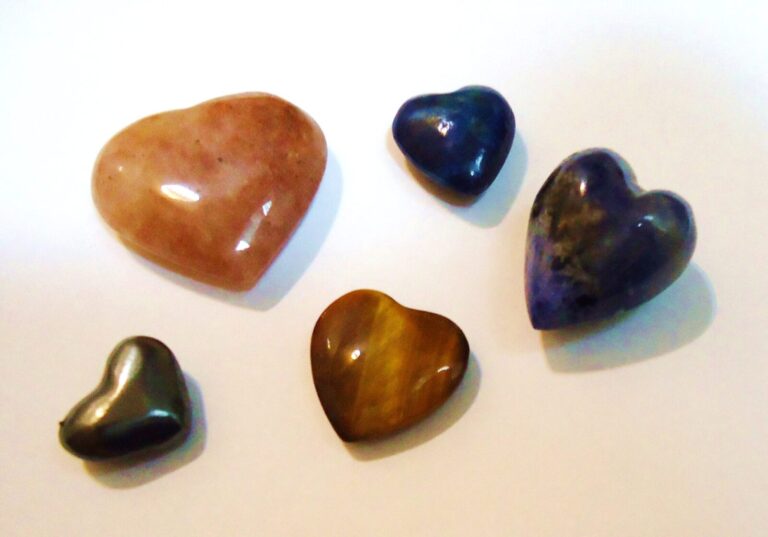
A small collection of natural crystals including a clear quartz cluster, a piece of amethyst, a tumbled rose quartz and a polished obsidian, arranged on a smooth wooden surface in soft afternoon light from a window.

Crystal Lore: Where Traditional Uses Meet Modern Practice

Laisser un commentaire

Votre adresse e-mail ne sera pas publiée. Les champs obligatoires sont indiqués avec *